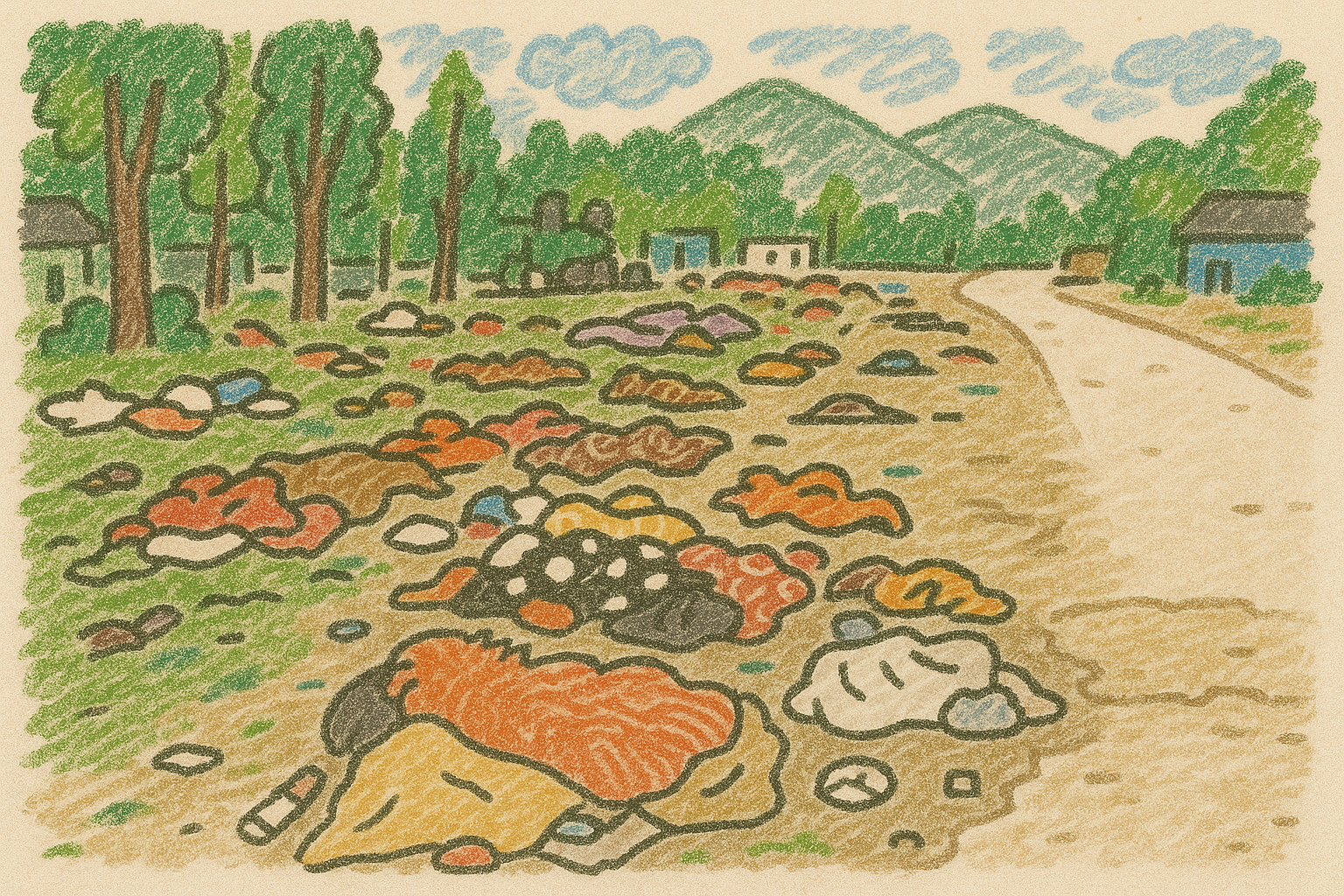
Lost Childhoods
Lost Childhoods
About the Project
This short documentary was created over the course of a full year and is dedicated to raising awareness about the Bosnian Genocide. During this period, I worked as part of the interview team, speaking directly with survivors and documenting their stories with care and respect. Through these interviews, I gained a deeper understanding of their experiences and the lasting impact of the genocide. I was also heavily involved in the overall production process, ultimately contributing to the shaping and creation of the final documentary. This project stands as one of the most meaningful and challenging works I’ve been part of, aimed at honoring survivors and ensuring their stories continue to be heard.
About the Project
This short documentary was created over the course of a full year and is dedicated to raising awareness about the Bosnian Genocide. During this period, I worked as part of the interview team, speaking directly with survivors and documenting their stories with care and respect. Through these interviews, I gained a deeper understanding of their experiences and the lasting impact of the genocide. I was also heavily involved in the overall production process, ultimately contributing to the shaping and creation of the final documentary. This project stands as one of the most meaningful and challenging works I’ve been part of, aimed at honoring survivors and ensuring their stories continue to be heard.
Interviews
Below are some interviews from the project that didn’t make it into the final cut of the film.
Markale bombing
In this story, Maumar recounts how he narrowly escaped the Markale massacre—an event he avoided only because his teacher happened to arrive five minutes late that morning. His testimony offers a powerful and deeply personal perspective on the randomness of survival during the siege.
A content warning is advised: Maumar describes the massacre in vivid detail, including what he witnessed in the immediate aftermath. His account is both heartbreaking and essential, shedding light on the lived realities of those who endured the Bosnian War.
Pre-War tensions
Here, Muzafar shares the story of his father’s death, which occurred while his father was serving in the military shortly before the war began. In the interview, he reflects on the circumstances surrounding the loss and discusses his long-held suspicion that his father was targeted because of his ethnicity and his role within the military. Muzafar’s account offers a deeply personal look at the tensions and injustices that were already taking shape before the conflict erupted, and it highlights the lingering questions and emotional weight carried by families who lost loved ones during this period.
Getting to Tuzla
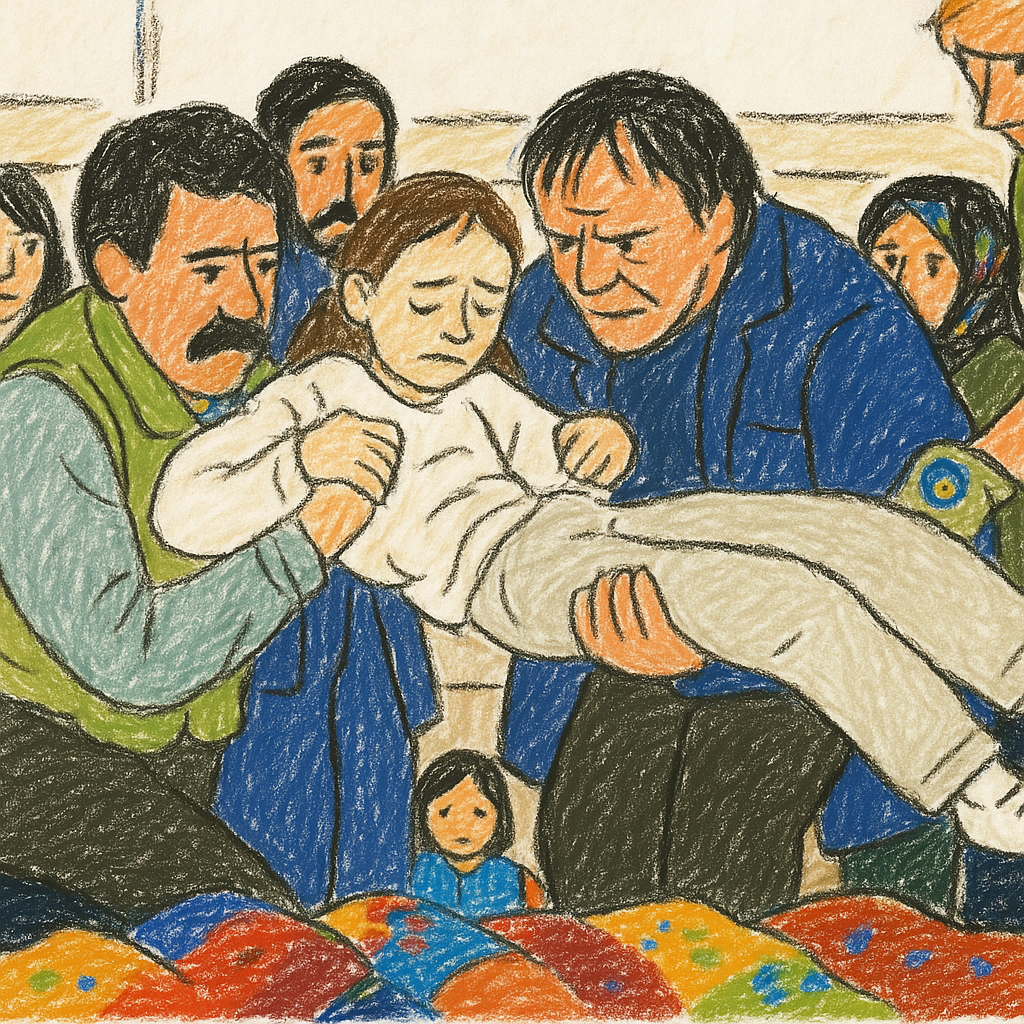
Here, Leilja recounts the traumatic journey she took to Tuzla as a child—a journey marked by fear, confusion, and survival. She describes how her mother, faced with life-threatening circumstances, was forced to hand her over to a soldier to carry and to deny that Leilja was her child until they safely reached Tuzla. This heartbreaking decision, made in desperation, reveals the unimaginable choices families had to confront during the Bosnian War. Leilja’s story captures both the terror of that moment and the strength of a mother’s determination to protect her child at all costs.
Loss of a Brother
In this story, Muzafar reflects on the disappearance of his brother during the Srebrenica genocide, an event that has left a lasting void in his family. He describes the chaos and fear of that time, explaining how he took on the responsibility of protecting his sisters and younger brother as they tried to escape the violence. Despite his efforts, he and his brother were ultimately separated in the turmoil, and his brother was never seen again. Muzafar’s account offers a deeply personal window into the unimaginable losses families endured in Srebrenica, and the enduring pain of not knowing what happened to a loved one.
Initial Assault
In this section, Halid recounts the devastating loss of his home and the death of his mother during the initial assault on his village, which was primarily inhabited by Bosniaks and attacked by a neighboring village largely populated by Serbs. He reflects on the suddenness and violence of that day, describing the chaos, fear, and confusion that overtook his community as the attack unfolded. Halid’s story not only conveys the personal and familial loss he endured but also provides a poignant window into the broader horrors of the conflict, illustrating how quickly lives could be upended and the lasting emotional scars left on survivors. Through his testimony, viewers gain a deeply human perspective on the profound impact of war on families and communities.
Interviews
Below are some interviews from the project that didn’t make it into the final cut of the film.
Highlights From Archive
-
![]()
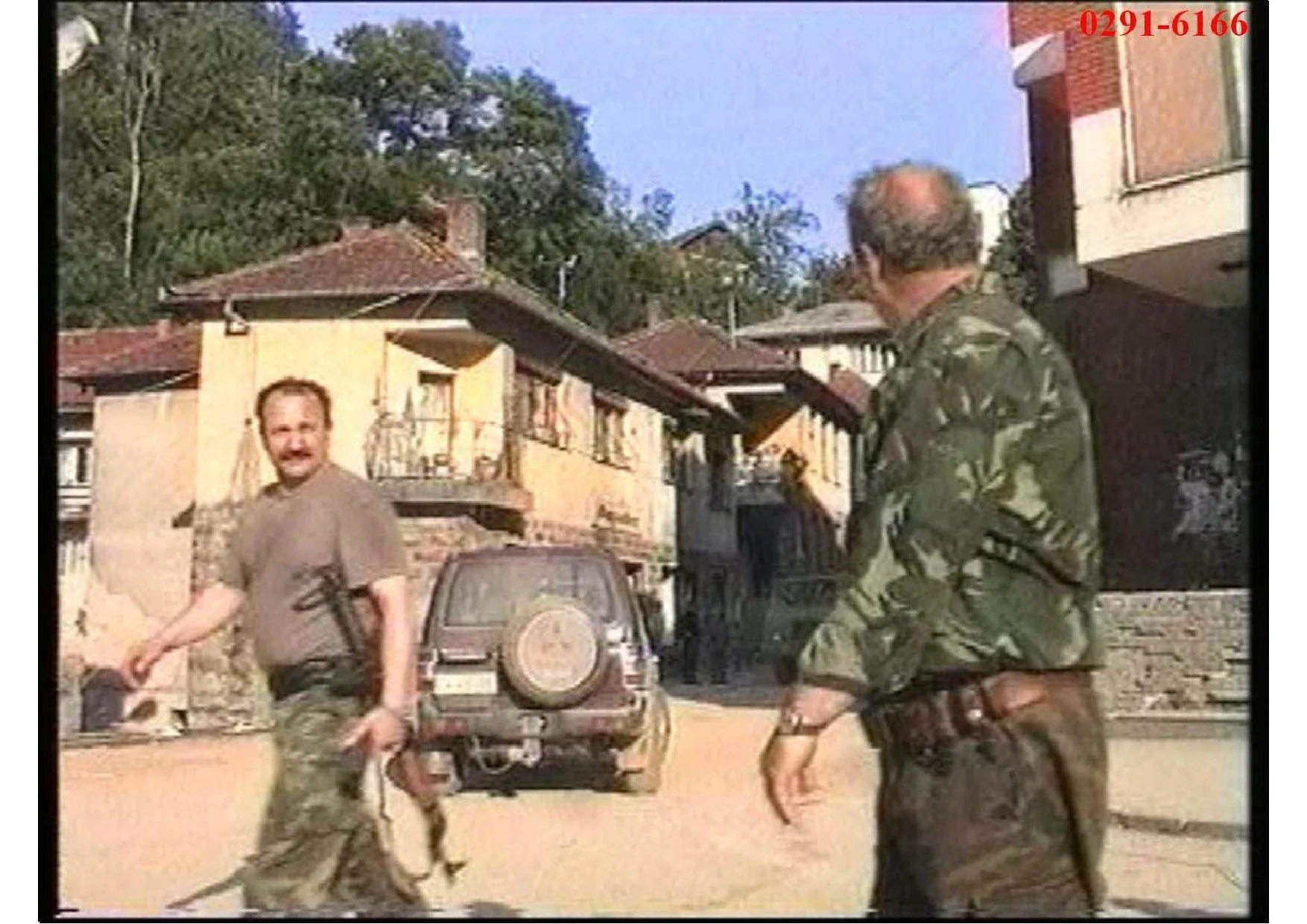
Video still of Vujadin Popovic in Srebrenica, taken from V000-4458 (Other, 1 Pages)
-
![]()
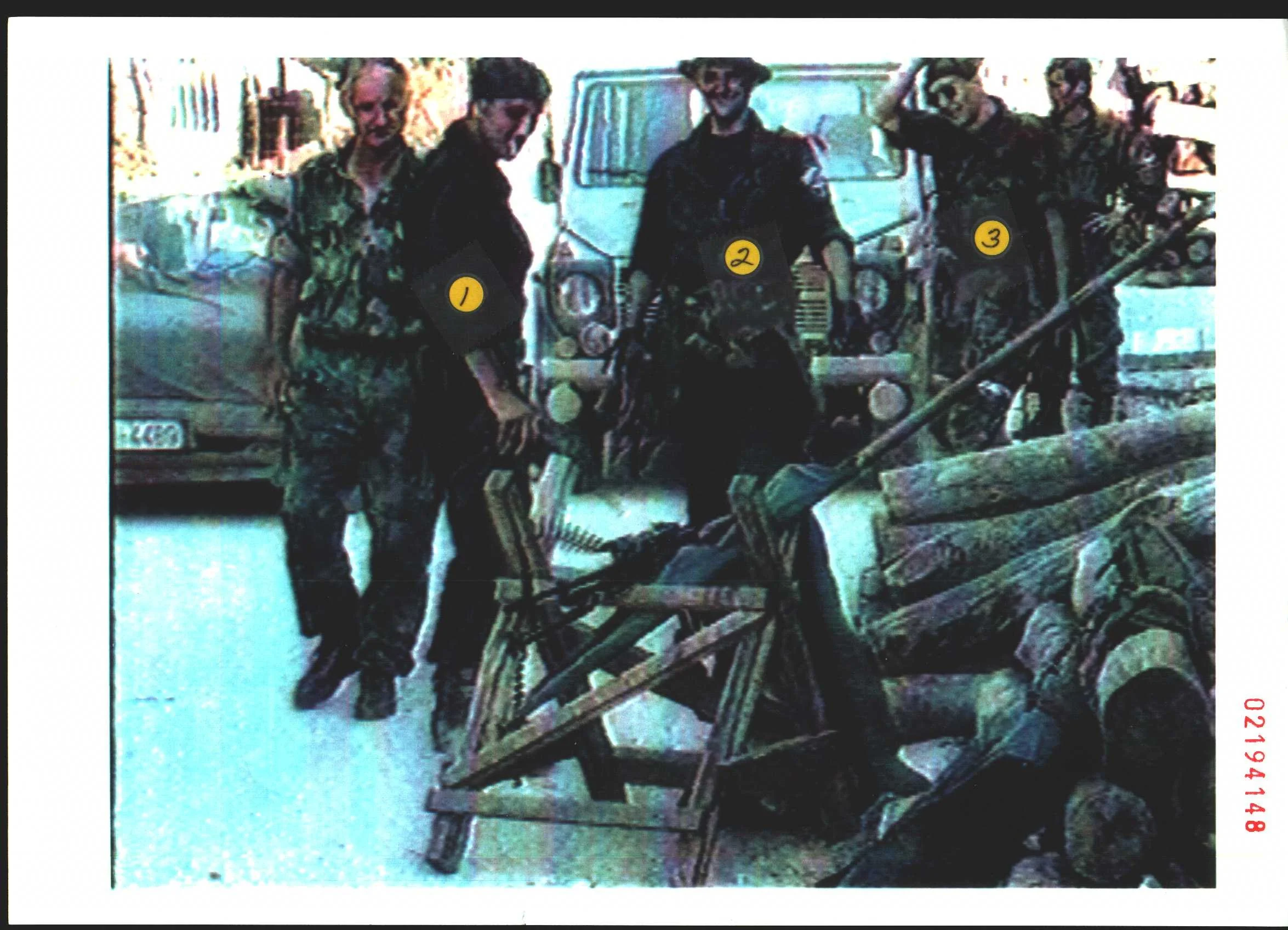
Video still of members of the 10th Sabotage Detachment, Popovic, Savanovic, Dragan, taken from the Srebrenica Trial Video. (English, 1 Pages)
-
![]()
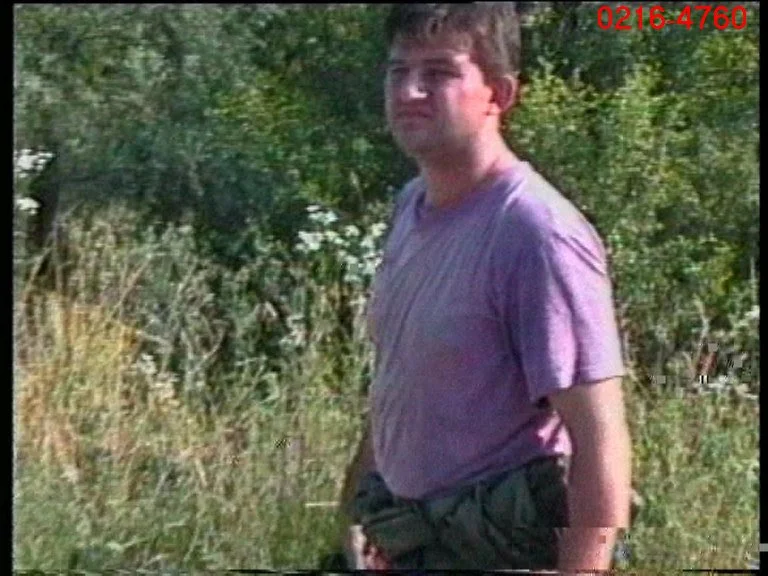
Still of soldier in a purple t-shirt - taken from the Srebrenica Trial Video at 02:49’21.52 (English, 1 Pages)
-
![]()
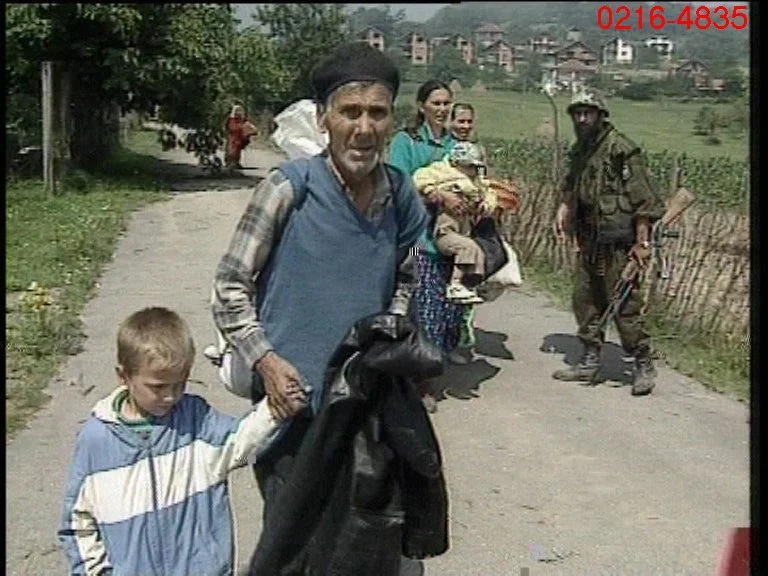
Still of soldier with beard on road in Potocari - taken from the Srebrenica Trial Video at 01:55’02.14 (English, 1 Pages)
Assignment 5
Here’s an expanded, polished version that clearly and respectfully communicates that this was practice footage, while honoring the gravity of the story:
Here is an earlier version of the clip in which Muzafar shares the story of his brother going missing during the Srebrenica genocide. This recording was used for mock scripting and practice purposes as we developed the structure and tone for the eventual final documentary. Although this is not the finished piece, we approached it with the utmost respect, as it deals with the loss of a loved one and the profound trauma surrounding his brother’s death.
The final version of this segment incorporates archival material and historical context to more fully frame the events that occurred. This practice clip represents an important step in the process of understanding Muzafar’s experience and ensuring that his story and his brother’s story would be told with accuracy, sensitivity, and care.